


Uganda

African Destination

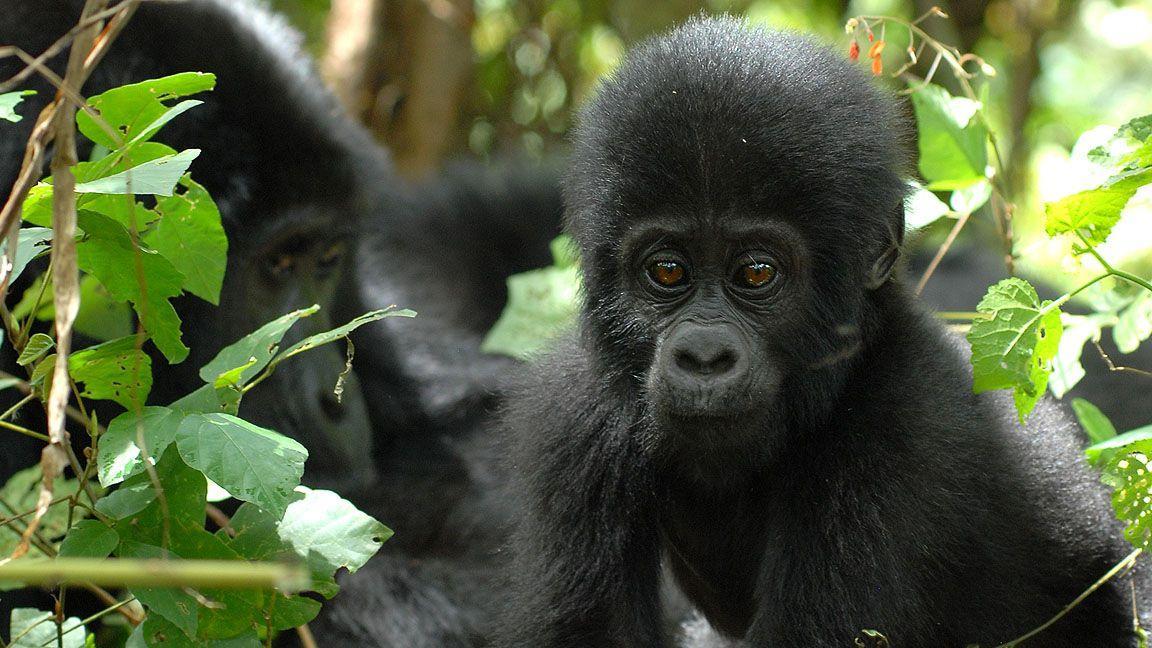
Uganda, forests, primates and the pull of green Africa

Plan gorilla and chimpanzee encounters, lake landscapes and savanna contrast with realistic pacing and careful guidance.

A journey built around encounters and terrain

Uganda is emotionally strong because the landscape changes constantly: forests, crater lakes, savannas, mountains and water. Its primate experiences are a major draw, but they need planning, context and respect for conditions.

HOAEXP shapes Uganda around permits, distances, guiding and recovery time. The result can feel intimate and varied, connecting forests with wider safari and scenic landscapes rather than treating each day as a checklist.

Signature places and experiences

BwindiKibaleQueen ElizabethMurchison FallsLake, forest and savanna combinations

Journey architecture

How this journey is usually shaped

01

Ideal for

First journey in the destination

Best for primate-focused travellers who accept active days and forest conditions.

Honeymoon

Strong for couples seeking emotional wildlife encounters with a real sense of place.

Family routes

More suitable for families with teens when trekking rules and fitness fit.

Cultural discovery

Good for forest and savanna contrast, with culture added through careful guiding.

02

Route design

Ideal duration

Eight to ten nights suits a focused route; ten to fourteen supports a fuller circuit.

Classic route combinations

Bwindi, Kibale, Queen Elizabeth and Murchison combine when road rhythm is respected.

Slow vs fast pacing

Pacing must protect forest days and avoid treating transfers as empty time.

03

Good to know

Internal flights / transfers

Transfers can be long unless selected flights are used.

Private guiding value

Specialist guiding improves primate, birding, forest and savanna context.

Season-sensitive areas

Rain and trekking conditions should shape date choice and daily expectations.

HOAEXP field notes

What to experience

Gorilla and chimpanzee focus

Permit-led experiences need lead time, fitness checks and a day order that respects the forest.

Forests and lakes

Green terrain and crater landscapes add atmosphere between wildlife days.

Savanna contrast

Classic safari elements can complement primate experiences when the route allows.

Travel Texture

Ways this journey can take shape

Gorilla trekking

Permits, forest conditions and daily pacing should be designed before the rest of the route is filled in.

Chimpanzee forests

Forest days add depth when they are balanced with recovery time and realistic road rhythm.

Savanna contrast

Uganda feels richer when primate forests are balanced by open landscapes and water.

Lake and river pacing

Water settings can soften the trip between intense trekking and safari days.

Before you plan

Destination FAQ

Are primate sightings guaranteed?

No. Wildlife is never guaranteed, and conditions must be respected.

How early should Uganda be planned?

Permit-based experiences benefit from early planning.

Is Uganda only trekking?

No. Lakes, forests and savannas can create a very varied route.

Is fitness important?

For trekking days, yes. The route should match realistic physical expectations.

How many days should I plan?

The right length depends on distance, camp changes and how much recovery time the route needs between active days.

Does season matter here?

Yes. Wildlife movement, water levels, access, heat and rain can all change the best route design.

Can this combine with another country?

Often yes, but only when flights, border logic and the number of nights still leave the journey comfortable.

Does a guide make a difference?

It usually does, especially when interpretation, timing and flexible daily decisions shape the trip.

Why use a Travel Planner?

A planner helps avoid the common mistake of adding too many regions and losing the reason the destination was chosen.

HOAEXP

Ready to design your Uganda journey?

Our Travel Planners can adapt routes, dates and experiences around your travel style.

Ask a Travel Planner