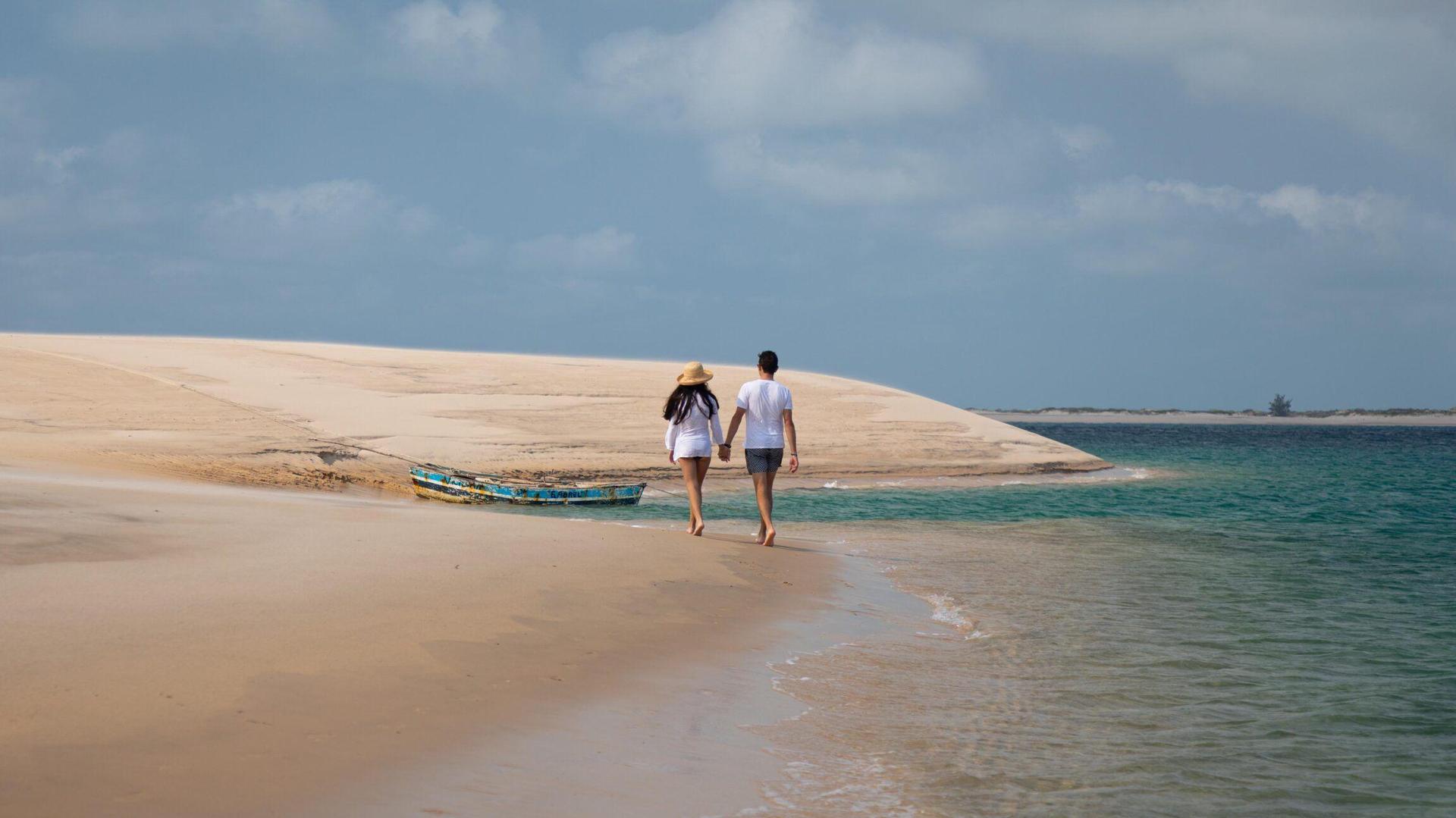
Aerial coastline and turquoise water in Mozambique

African Destination

Mozambique: wilderness meets the Indian Ocean

Plan a well-paced route through Gorongosa, Vilanculos and Bazaruto’s marine landscapes.

Bush, islands and the space between

Mozambique works best as a carefully paced sequence, not a checklist. Time in Gorongosa can lead into Vilanculos and the Bazaruto Archipelago, where guided days give way to open water, sand and unhurried island time. Maputo adds useful urban context when flight schedules support the stop. Any extension into the far north needs a separate, up-to-date operational review.

That contrast is the reward, but every route has practical constraints. Domestic schedules, road transfers, boat conditions and seasonal rain can reshape the plan. HOAEXP therefore favours fewer bases, sensible transfer margins and current confirmation before any connection is promised. Mozambique suits travellers drawn to marine landscapes, conservation-led wildlife and privacy; it is a weaker fit for anyone wanting a dense programme or effortless movement between several regions.

Signature places and experiences

Gorongosa National ParkVilanculosBazaruto ArchipelagoMaputoIndian Ocean

Journey architecture

How to build Mozambique without rushing it

01

Traveller fit

Strong fit

Couples, honeymooners, ocean-focused travellers and safari guests who understand that good logistics need room to breathe.

Families

Best with older children or a simplified route, private transfers and a resort base that absorbs weather changes.

Who should reconsider

Travellers wanting guaranteed daily activities, many regions in one trip or a broad choice of fixed departures.

02

Route and duration

Ideal duration

Allow roughly 9–14 nights for a meaningful Gorongosa and Bazaruto combination; a single-region coast stay can be shorter.

Combinations

Mozambique can follow a Southern or East African safari when real flight schedules support the connection.

Pace

Use two strong bases rather than several brief stops, and protect the first coastal day from tight marine commitments.

03

Logistics and current checks

Access

Domestic flights, road transfers and boats require current confirmation; schedules must never be inferred from an old itinerary.

Season

The drier May–October arc is often easier, while heat, rain and cyclone risk demand more flexibility from November onward.

Planning note

Official weather, park operations and local partners are rechecked before dates and non-refundable services are fixed.

HOAEXP field notes

What to experience

Gorongosa with purpose

Spend enough time with specialist guides to understand a recovering ecosystem instead of treating Gorongosa as a brief wildlife stop.

Bazaruto at a slower pace

Plan Vilanculos and the islands around sea conditions, rest and selected marine activities, with every transfer confirmed for the travel dates.

A route with honest margins

Keep flight days, road connections and weather alternatives visible so the journey remains elegant when conditions change.

No fixed Mozambique journeys are published yet. Ask a Travel Planner to check current access and shape a private route around your dates.

Plan with a Travel Planner

Travel Texture

Ways this journey can take shape

Conservation-led safari

Spend enough time in Gorongosa for ecology, guiding and landscape to become the story, not only individual sightings.

Bazaruto island rhythm

Choose the island and length of stay around privacy, marine interests and realistic transfer timing.

Marine days with flexibility

Treat diving, snorkelling and boat plans as weather-dependent experiences, supported by current local advice.

Maputo in context

Add the capital when flight logic allows time for architecture, food and contemporary Mozambican life.

Bush-and-beach sequencing

Place the more active wildlife chapter before the coast, then leave enough nights for the pace to genuinely change.

Light, water and landscape

Plan photography around early field hours, coastal light and the limits of moving equipment between short connections.

Before you plan

Destination FAQ

How long should a Mozambique journey be?

For a meaningful Gorongosa and Bazaruto combination, plan roughly nine to fourteen nights. That allows a genuine wildlife chapter, sensible transfer margins and enough island time for the pace to change. A shorter journey works better when it stays within one coastal region instead of adding a compressed safari connection.

When is the best time to visit Mozambique?

The drier period from roughly May through October is often the clearest starting point for combining wildlife and coast. Exact timing still depends on heat tolerance, marine interests, park operations and the route selected. From November onward, rain, humidity and cyclone monitoring require more flexible planning and current checks.

Can Mozambique combine safari and beach?

Yes, provided the route follows real flight and transfer schedules. Gorongosa followed by Vilanculos or Bazaruto creates a strong change of pace when each place receives enough time. HOAEXP avoids adding stops simply to make an itinerary look broader, because long connections can quickly erode the experience.

Is Mozambique suitable for families?

It can be, especially with older children, private transfers and a simplified route. Families benefit from fewer bases, accommodation with flexible facilities and a generous first day after arrival. Boat conditions, heat and long connections should be discussed honestly; a dense multi-region plan is rarely the most comfortable family choice.

Does Mozambique work for a honeymoon?

Mozambique can be an excellent honeymoon choice when privacy, atmosphere and unstructured coast time matter more than a fixed activity list. A focused safari followed by a longer island stay usually works better than constant movement. Weather flexibility and early confirmation of preferred rooms remain important, particularly around high-demand dates.

Which coastal area should I choose?

Vilanculos provides a practical gateway and local context, while the Bazaruto islands shift the emphasis toward seclusion and marine time. The right choice depends on budget, transfer tolerance, diving or snorkelling interests and desired privacy. Sea conditions and current lodge access must be checked for the intended dates.

Can I include diving or snorkelling?

Marine activities can be considered, but they should never be presented as guaranteed. Experience level, operator standards, local sea conditions and seasonal visibility all matter. HOAEXP asks current partners to confirm feasibility close to travel and keeps alternative days available so the wider journey remains worthwhile if conditions change.

What logistics need the most attention?

Domestic flight schedules, road transfer duration, boat departures and luggage rules deserve the closest review. Connections that appear simple on a map can take most of a day. The route should include realistic margins, current supplier confirmation and a backup plan instead of relying on historic schedules or assumed transport links.

How does the Travel Planner process work?

A Travel Planner starts with your dates, interests, preferred pace and tolerance for complex transfers. The team then checks current access, operating partners and seasonal fit before shaping the route. Public content provides context; a proposal is prepared only after the practical elements have been verified.

HOAEXP

Ready to design your Mozambique journey?

Our Travel Planners can adapt routes, dates and experiences around your travel style.

Ask a Travel Planner